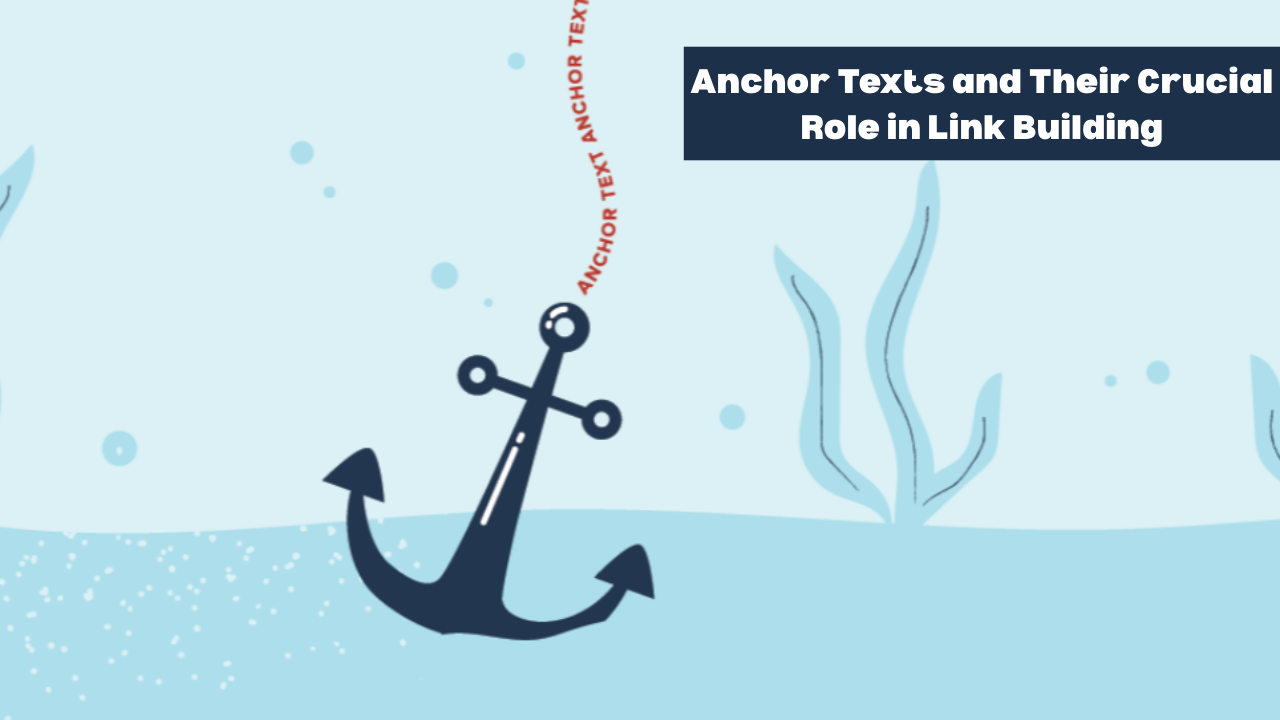
Search engines depends on the anchor text to decipher the importance and purpose behind a link. If the anchor text closely relates to the content topic and is in the right context, it will reinforce the page’s authority and result in better search visibility. On the contrary, if the anchors consist of the same keyword, sound forced or are disconnected from the surrounding content, the page’s rankings will not change, there will be more volatility, and the risk of either automated or manual actions due to filters becomes more possible. An effective anchor text strategy involves not keyword stuffing but rather relevance, variety, and natural patterns that indicate to Google the associating meaning with the authority. With the help of this guide, you will find out how anchor text functions, the strategic ways of using it, and the building of a solid, natural anchor profile which not only enhances the rankings but also avoids penalties. What Is Anchor Text? Anchor text is the text that is clickable and that is used to form a hyperlink. Search engines use it to determine the topic of the linked page and its proper placement in the overall topic landscape. In this context, anchor text serves as a signal that links authority with keyword relevance from the SEO perspective. There are different types of anchors, and it is important to know how they can help or hinder the ranking strategy before going ahead with link building or acquisition. Why Anchor Text Matters for SEO Google gets its topical context from anchor text. For instance, a page that has links with keywords like best project management software, project management SaaS, or project tools gets associated with those concepts by the search engines. Ranking potential increases as more authoritative links support the pattern. Additionally, anchor text affects: Anchor text does not work in isolation—it works alongside content….