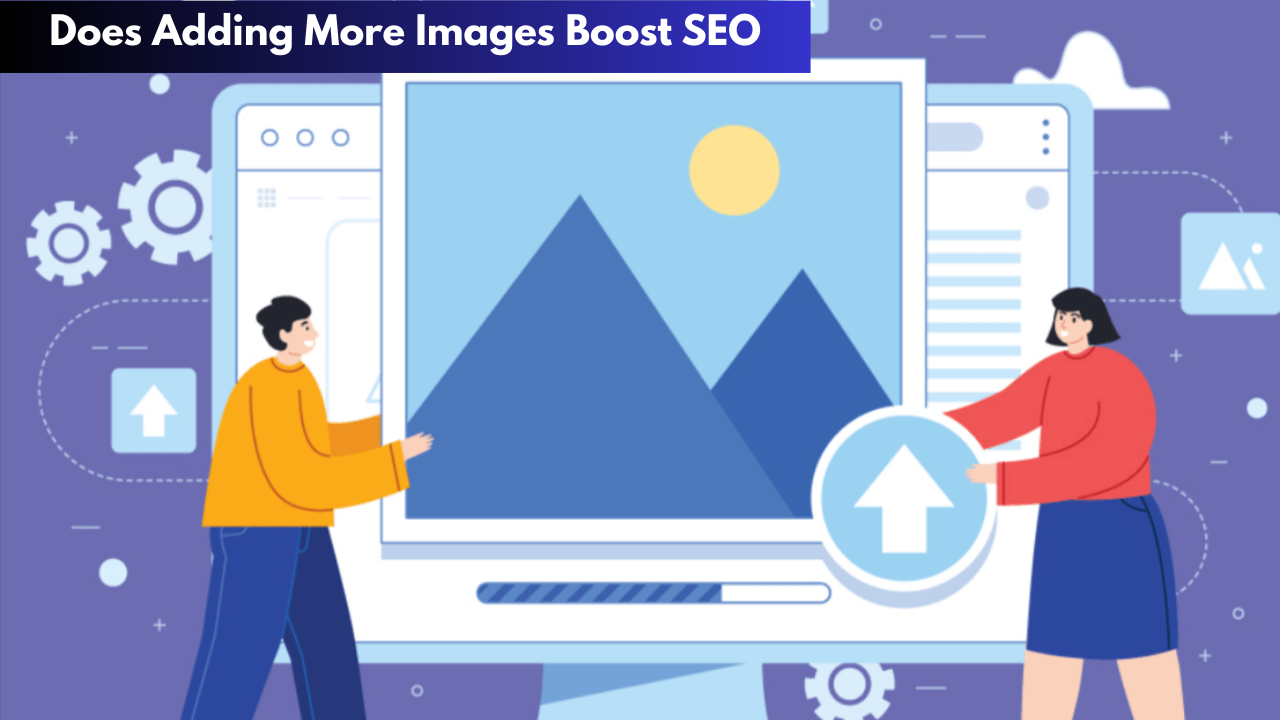
Does Adding More Images Boost SEO? Here’s What You Need to Know
A lot of site owners say that more images make better SEO and thereby help in higher ranking of pages. But in fact, the increase in the number of images….
A lot of site owners say that more images make better SEO and thereby help in higher ranking of pages. But in fact, the increase in the number of images….
Quora is among the largest question and answer sites on the planet, where daily millions of active users are making queries and replying to others. For marketers, webmasters, and professional….
Creating a new website is a thrilling experience, but getting it to rank on Google can be daunting. The big companies have already taken over the general keywords, making it difficult for new players to compete. Hence, the use of long tail keywords becomes your number one option. Long tail keywords contribute to your targeted traffic, faster ranking, and authority building without engaging in high competition fights. In the following paragraphs, you will discover what long tail keywords are, why they are important for SEO, and the most effective methods of locating them for your new website. What Are Long Tail Keywords? Long tail keywords refer to longer and more specific sets of words that users input into search engines when they have a clear idea of what they are looking for. These keywords illustrate a particular requirement, case, or motive rather than general and broad terms. They usually comprise 3 to 6 or more words, however, the very power of long-tail keywords lies in their capability to reflect user intent so precisely. Examples of Long Tail Keywords Key Characteristics of Long Tail Keywords Why Long Tail Keywords Are Beneficial for SEO Long tail keywords….
The meta description is a very important part of your page; in a way, it persuades the user to click on your site. Although it does not improve ranking directly, it can influence CTR by attracting the eyes of users; subsequently, a rise in the CTR can give you better search benefits in the long term. SEO meta description writing is simple and straightforward, but it does require more know-how on search intent, clarity, and how people read search results. In this guide, I will show you how to craft meta descriptions that lure clicks and complement your SEO strategy. 1. What Is a Meta Description and Why It Matters for SEO A meta description is the brief text that appears under the title tag in Google search results. It basically explains what the page is about. In addition, it is there to convince users that the particular page should be viewed. Google may rewrite some meta descriptions randomly, but creating good meta descriptions helps the search engines and users understand your content. Meta descriptions are important because- A meta description that is concise, direct, and phrase specific increases the likelihood that the audience will select your page rather than others. 2. How Meta Descriptions Impact Click Through Rate User scan results pretty fast while looking for solutions and questions that match their problems. A meta description that exudes value is more likely to draw their attention. The more villagers that click on your result, the more relevance is awarded to your page by Google for that keyword. CTR does not equate with higher positions in SERPs but just that strong user engagement in any form without illegitimate means can help with your overall SEO. Meta description aligned with your search query lifts the possibility of better search outcomes and reduces bounce by setting clear expectations for the user before they click to view the page. 3. Ideal….
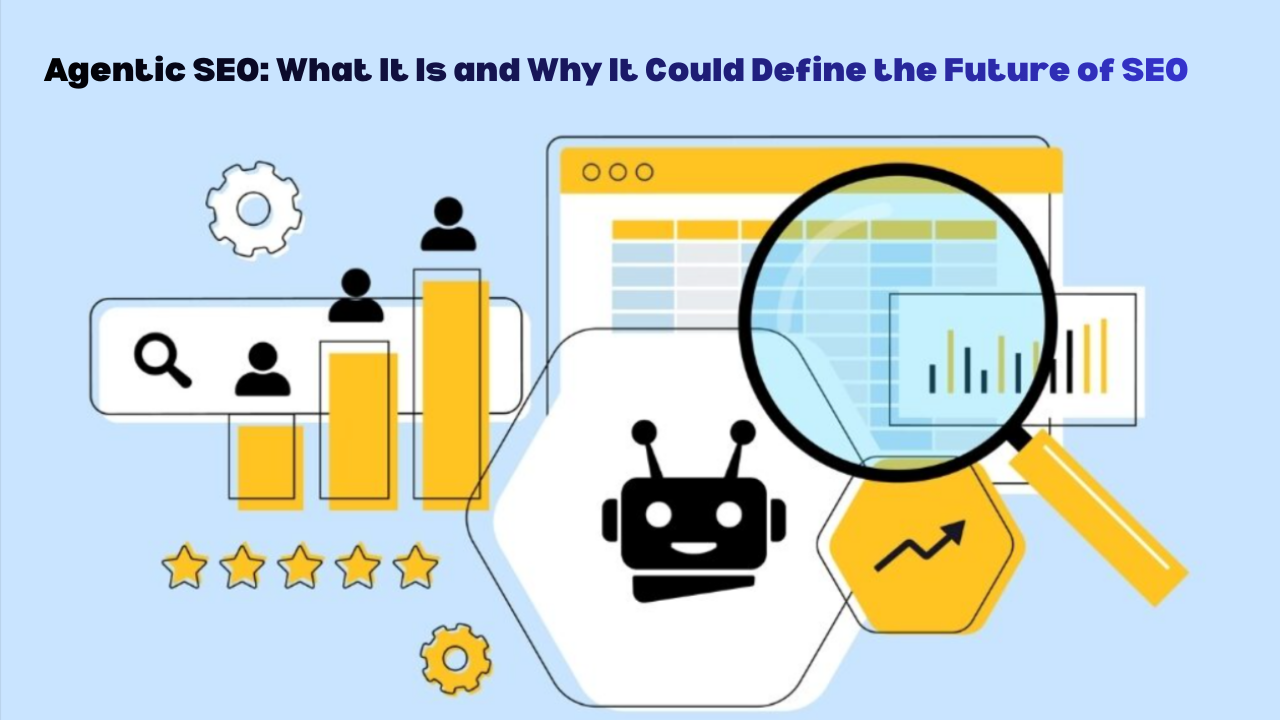
Have you ever desired for SEO to automate itself away from manual assistance? In case that sounds interesting, Agentic SEO is something that should be given due attention. AI agents are assisting with the core SEO activities and in some cases even doing so automatically. Rather than having to manually research, fine tune, and test….
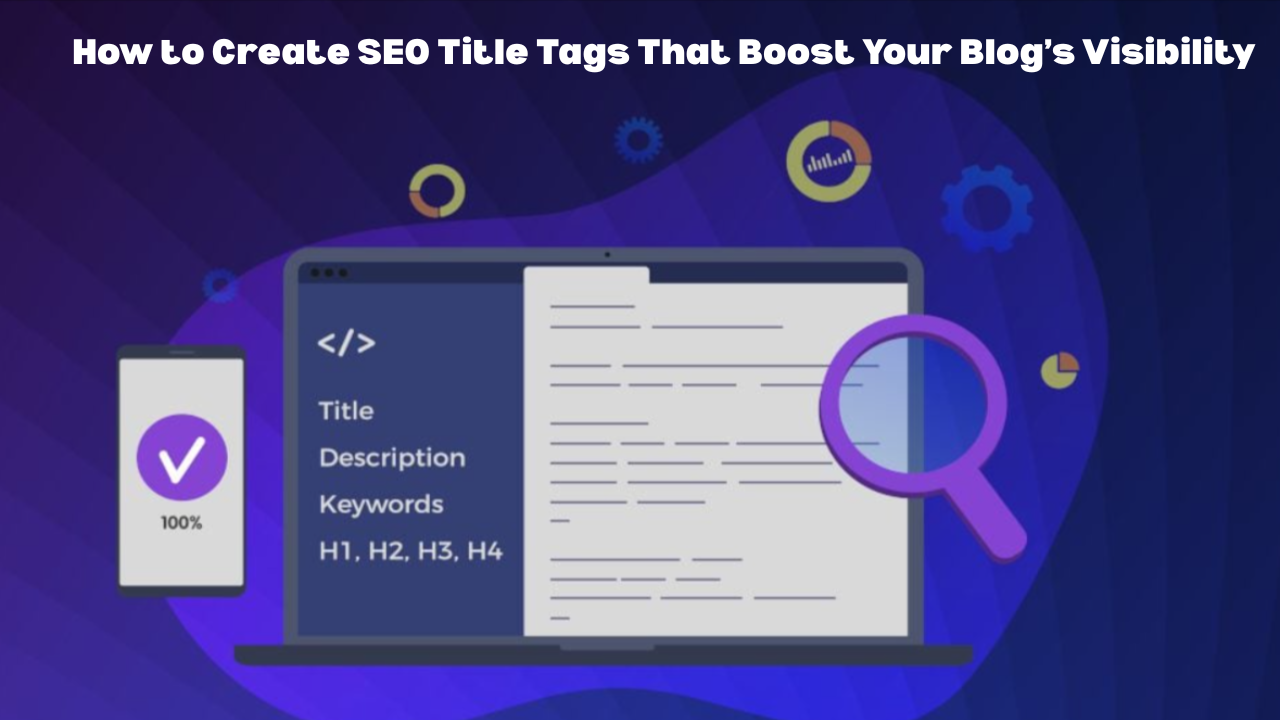
Although an SEO title tags may seem unimportant, it has an influential role in Search Engine Optimization (SEO) and in making the page understandable to a search engine and determining….
One of the web metrics that can’t be ignored is the bounce rate. When the website receives traffic but no good results, no metric is more prevalent than that of the bounce rate. If website visitors access a particular page and leave it without scrolling, clicking, or interacting in any way, their action indicates a mismatch between the user’s perception of the page and what it really is. The good news? A high bounce rate isn’t a dead end—it’s feedback. And when interpreted correctly, it gives you clear direction on how to improve your website experience, content….
SEO for Travel Sites: A travel website’s ranking requires a lot of things today just besides content publishing. Travel is a very competitive niche with customers who expect trustworthy and….
Modern day SEO is hence no longer only about the ranking of keywords; now, the search engines evaluate the interaction of the user with your content-how long they stayed, how….